

Report made with the support of Intermón Oxfam
Five centuries after the Conquest, a new colonization attacks the natural resources and destroys local populations. There are no caravels, or armours, or men on horseback, or faith conversions, but tractors, pesticides, tax havens, financial markets, and investors who, as Leopold II or the Catholic Monarchs, ignored the beliefs, the customs or the language spoken by the men who live in their domains. In Paraguay, the agro industry has become a great business that fumigates and ejects farmers, and produces enormous benefits for the enjoyment of a few. Their nationality? Investors.
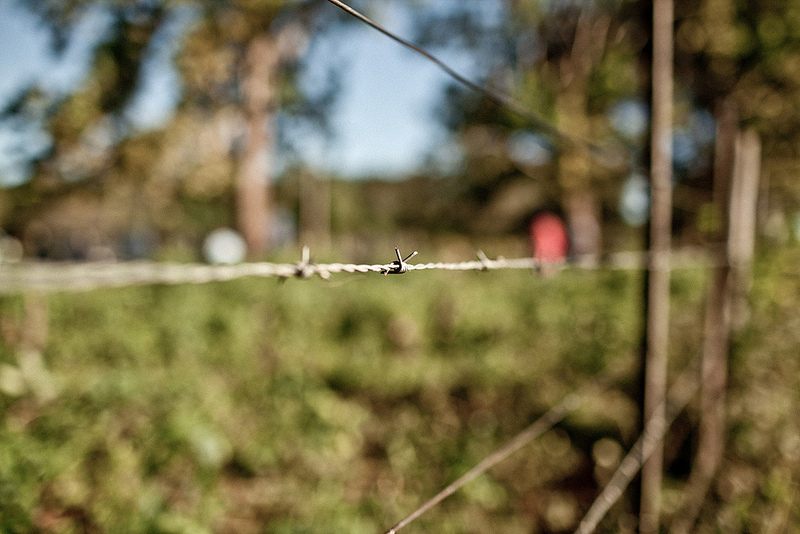
Paraguay: a new colonization
Curuguaty. July, 2012
Few days before the dramatic bloodshed, the commissioner Arnaldo Sanabria phoned peasants’ leader Ruben Villalba, and told him they only had two possibilities. Either leaving peacefully or an armed group would show up.
«An armed group accompanied by several ambulances», added the police to strengthen the seriousness of their intentions. «In that case, bring some wooden crates too», replied defiantly Villalba.
There was still one last warning.
It was the visit of an emissary of the Ministry of Home Affairs, Elvio Cousirat, who went to the camp and kept a tense conversation with the families occupying the farm Marina Cue, a State’s land claimed as its own by Blas Riquelme, businessman and politician of the Colorado party.
«If they bring me the papers to prove that this land belongs to Riquelme, we will leave», said Avelino, one of the occupants. «Show the document!» insisted another peasant raising his voice among the chorus of protests.
The camp was presided over the national flag, as if patriotic colours were some sort of talisman that should defend them from their tragic destiny. Before leaving the camp, the public official still had a last farewell comment.
It was an ironic and offensive comment.
«You’d better go sell cookies and candies at the traffic lights of the capital» said, using a phrase that has already become a recurring joke for those who see farmers as archaic elements; an endangered species whose humble and self-sufficient way of life, based on the cultivation of a few hectares, the growth of some animals like pigs, cows, a couple of horses or chickens, and the sale of their products in local markets, they are a nuisance and a hindrance to progress.
Progress: During the last year, Paraguay grew by 13%, a spectacular rate due mainly to the agricultural industry and large-scale monoculture, especially those of soya beans.
Este artículo de nuestro archivo está completo para lectores registrados. Registrarse es gratis y solo lleva un minuto.

Pingback: Paraguay: una nueva colonización