

Report made with the support of Intermón Oxfam
They have everything, papi1. They have the fly, they have the party, they have the sabrosura, they have raw materials and the natural wealth of a mycological paradise, they have the workforce they need, democracy, and several generations born in peace. Nevertheless, over 40% of the population lives below the poverty line.
In 2012, President Leonel Fernández left the country with a 3500 million euros hole, more than 8% of the GDP, caused by the public financing scheme of his ambitious election campaign, and a long Latin American tradition of state corruption. As part of the plan create to confront the deficit, the incoming government led by Danilo Medina implemented a new tax package known as the paquetazo that included increases in indirect taxes and in staple goods, exempt until then. Most of these measures affected both the weakened middle-class and the large lower-class. However, hardly anyone received the corresponding services for the taxes they had paid.
Slow living. Real slow
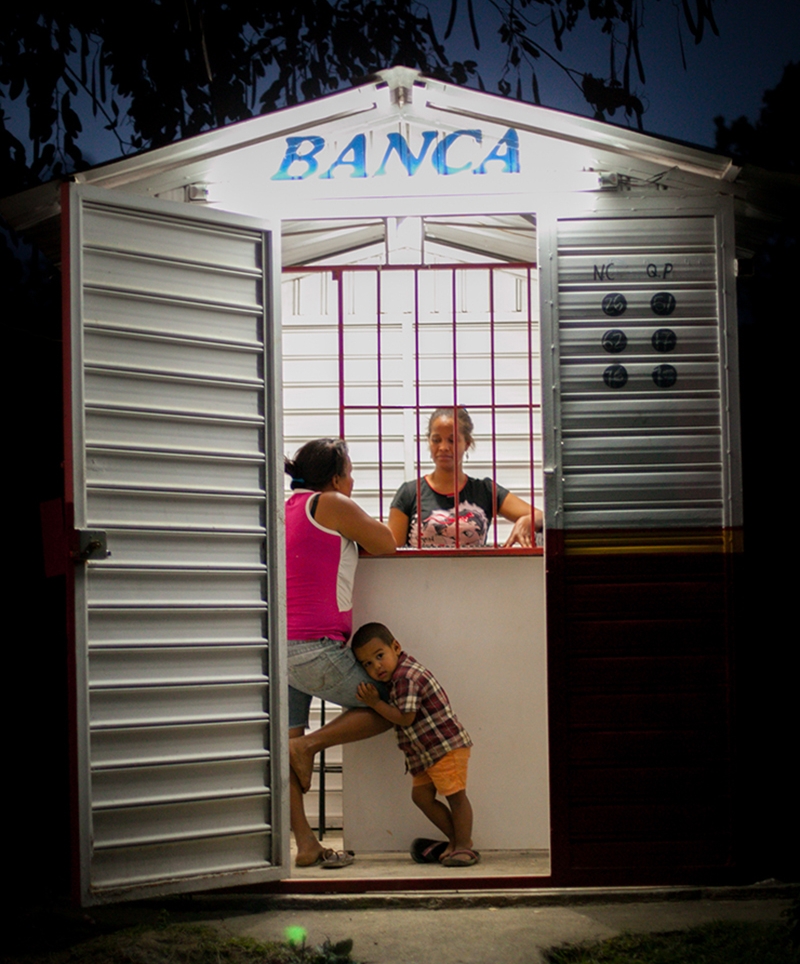
Everything goes slowly in a narcotic smiling calm. In an airport corridor, a young police officer walks towards her workmate dancing salsa. Some other employees hum radio hits behind their desk and chat, stopping only to take care of tourists. No one is in a hurry. It is real; most of the stereotypes are true. Nobody is stressed. Not even the driver, who has been waiting for us for two hours because of a mistake about our arrival time. They don’t expect the tourist to be anxious either, and four people and 25 minutes are needed to confirm that no, money exchange offices do not deliver bills to companies. So moments after leaving the airplane, visitors must choose whether to begin a crusade for efficiency, typically claimed by the little European we carry within (for losing it in a frustrating way), or get fully into the real slow living. Slow nothing-works-but-it-doesn’t-matter- mamasotaliving…
Obviously, the editor gets fully into it. In a modest hotel, a Haitian woman serves us a breakfast that could fit in any Hilton. That’s what being in paradise means: the best coffee, the best fruit, and mineral water. Without talking, we know she is Haitian because of the sad look in her eyes. It is not some lyrical attitude, the wound is evident, the distrust inherent to almost every Haitian we meet during our journey, intensified by the lack of concern their neighbours show. Their history, both recent and remote, provides them with a catalogue of reasons to distrust everybody, especially Dominicans. We begin to understand everything after learning why the river bordering the two countries is called Masacre2. In 1937, 15.000 Haitians were killed there following dictator Trujillo’s plans of ethnic cleansing: the borders were closed and those who would not pronounce properly the word perejil3 were murdered. Only when an earthquake devastated the island in 2010, both countries drew together and Dominicans opened the borders, formerly built to reject Haitian immigration, to help them. Currently, however, there remains a strong trace of racism against them, despite of the wide range of Dominicans’ colours — perhaps because of that.
Este artículo de nuestro archivo está completo para lectores registrados. Registrarse es gratis y solo lleva un minuto.

Pingback: Jot Down Cultural Magazine | República Dominicana: ¿dónde está el dinero?
Pingback: Make Budgets Public Now » News from around the world on Budget Transparency, Accountability and Participation (July, 2)
nice art man..and cheers from Dominican Republic ;-)